A meaningful craft gift is more than a keepsake: it is an object made by a person or community, shaped by local materials and knowledge, and chosen with attention to its maker and cultural context. Global craftsmanship offers an alternative to generic souvenirs by connecting recipients with skilled makers and living traditions. The opportunity is substantial: UNESCO reports that cultural and creative industries account for 3.1% of global GDP and 6.2% of employment worldwide. Choosing well, however, means looking beyond appearance to provenance, fair compensation, cultural respect, and practical usefulness.
Global craftsmanship makes gifts meaningful through provenance, skill, and cultural connection
Global craftsmanship describes the making of objects through practiced skills, materials, and design traditions that are rooted in particular places or communities, while also evolving through contemporary creativity. The International Labour Organization (ILO) and UNESCO emphasize that cultural work supports livelihoods as well as heritage; UNESCO’s 2022 global report estimates that cultural and creative industries generate 3.1% of global GDP and 6.2% of employment. Those figures concern a broad sector, not handmade gifts alone, but they show why purchasing decisions can have significance beyond the object itself.
A thoughtful craft gift can express personal care, support a maker’s livelihood, and introduce the recipient to a place or technique without reducing culture to a decorative token. The strongest choices combine clear maker information, credible sourcing, cultural sensitivity, and everyday or lasting value. Examples include woven textiles, ceramics, jewelry, carved objects, and contemporary work by local designers.
Ethical sourcing defines meaningful global craft gifts
Ethical sourcing is the process of choosing goods with attention to who made them, how they were produced, how workers were treated, and whether the cultural or environmental claims are credible. The World Fair Trade Organization (WFTO) describes fair trade as a trading partnership based on dialogue, transparency, and respect, seeking greater equity in international trade. Applied to craft gifts, this means asking for more than a “handmade” label: buyers should look for maker or cooperative names, a clear origin, and understandable information about production and payment.
Craft production varies widely, from individual workshops to cooperatives and social enterprises. A small-scale purchase does not automatically guarantee fair wages or sustainable materials, and a polished story is not proof of ethical practice. Transparent sellers explain the supply chain as specifically as they can and avoid claims they cannot verify.
Maker provenance and fair compensation
Provenance is the documented or clearly communicated origin and production history of an object. For a gift, useful provenance identifies the artisan, workshop, community, or cooperative and explains the material and technique. WFTO’s Guarantee System assesses member organizations against its principles of fair trade, including fair payment and transparency. Buyers can therefore check whether a seller is a WFTO member, while remembering that no certification replaces careful scrutiny of a particular product’s claims.
A practical test is whether the seller can answer: Who made this? Where was it made? What materials were used? How does the purchase benefit the maker? If those answers are vague, choose a more transparent source.
Cultural respect and living traditions
Cultural respect means treating a design or technique as part of a living community’s knowledge rather than as an anonymous style available for unrestricted use. UNESCO’s 2003 Convention for the Safeguarding of the Intangible Cultural Heritage recognizes practices, knowledge, and skills that communities identify as part of their heritage. This framework helps distinguish support for community-led craft from the uncredited copying or commercialization of culturally significant motifs.
When a design has ceremonial, sacred, or restricted meaning, ask whether it is appropriate for sale and how the maker describes it. Prefer products presented by the artists or communities themselves, and avoid assuming that a motif’s meaning is universal simply because it appears in a shop or travel market.
Craft traditions turn materials and techniques into lasting gifts
Craft traditions are learned and practiced ways of making that connect material knowledge, technique, design, and community history. They include both long-established practices and contemporary work that adapts inherited methods. A gift becomes more meaningful when its material and construction are part of the story, rather than merely being marketed as “exotic” or “authentic.”
The following categories illustrate how a buyer can connect a gift’s form to its making. These are broad groupings, not claims that every object from a region follows one tradition: makers within any place may work in diverse styles and use modern tools or materials.
Textiles and weaving
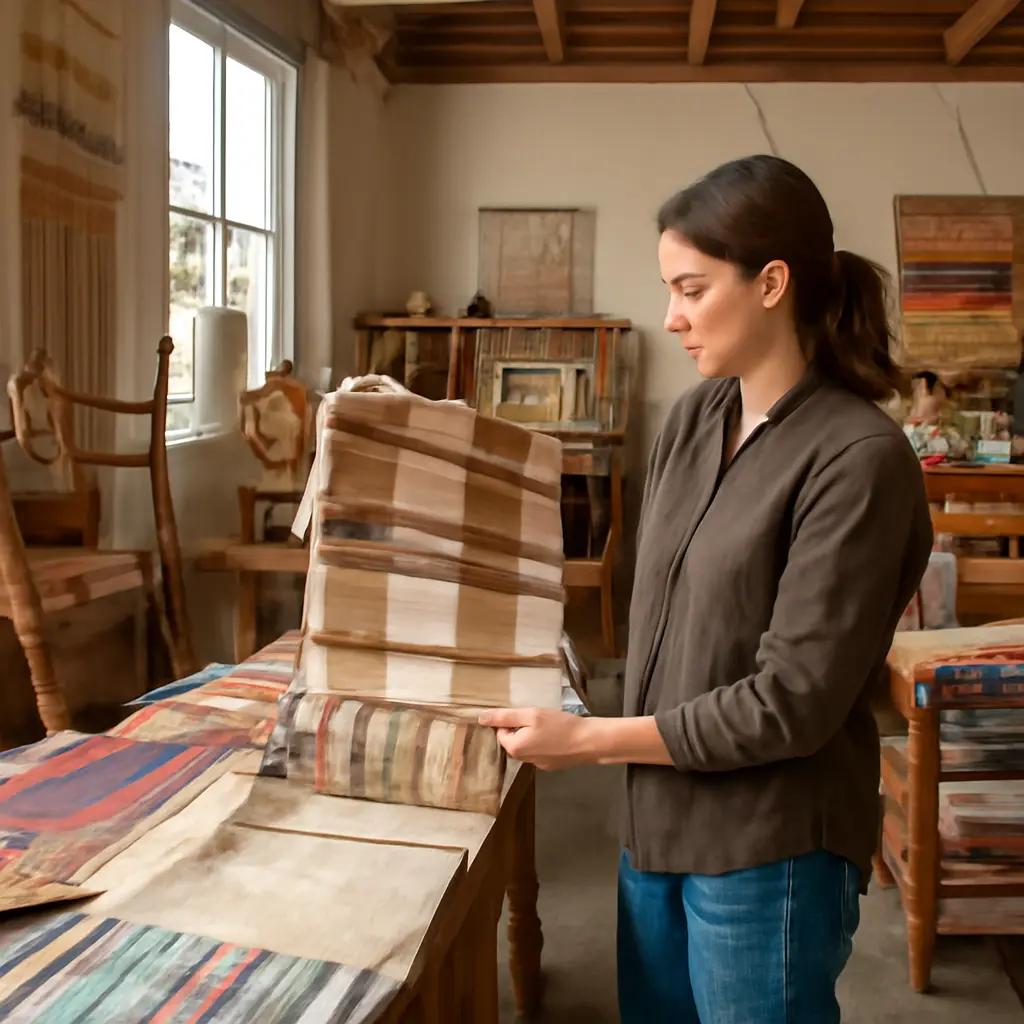
Textile crafts include weaving, embroidery, knitting, dyeing, and related processes used to make cloth and finished goods. A woven scarf or table textile can reveal the relationship between fiber, loom structure, color, and local design knowledge. The Smithsonian Center for Folklife and Cultural Heritage documents craft practices as expressions of community knowledge and individual creativity, rather than as static artifacts.
For a textile gift, check the fiber content, care instructions, and whether the seller identifies the maker or workshop. These details help the recipient use and maintain the piece, while making the purchase more transparent.
Ceramics and material knowledge
Ceramic craft transforms clay through forming, drying, firing, and often glazing or surface decoration. The finished object reflects technical decisions about clay bodies, firing temperatures, and intended use. A handmade cup, bowl, or vase can be a practical gift, but buyers should confirm whether it is food-safe and suitable for a microwave or dishwasher rather than infer those qualities from appearance.
The Smithsonian’s National Museum of the American Indian and other cultural institutions document how material practices carry histories and knowledge. When buying ceramics connected to a particular community, prioritize makers who identify themselves and describe their own work.
Jewelry, carving, and small objects
Jewelry and carved objects often combine design skill with materials such as metal, wood, stone, or plant fibers. Their small size can make them convenient gifts, but material and origin claims deserve attention: “local,” “recycled,” or “hand-carved” should be supported by a clear explanation. For wildlife-derived materials or products made from protected species, check applicable trade rules before purchasing or transporting the item.
Small works can also be contemporary rather than strictly traditional. Choosing a piece by an identifiable artist or design studio allows the gift to represent both craftsmanship and present-day creative practice.
Thoughtful gift selection connects craft to recipient and place
A meaningful gift suits the recipient as well as the maker’s story. The best selection process balances personal usefulness, cultural context, production transparency, and the realities of shipping or care. This approach is especially useful when shopping while traveling, buying online, or selecting a gift for someone who prefers practical objects.
Choose for use, care, and longevity
A durable, usable object is more likely to remain part of a recipient’s life than an item chosen only for its souvenir appeal. Consider whether the person will wear, display, cook with, or regularly use the gift. Check dimensions, materials, cleaning needs, and repair options. If the object is fragile or difficult to maintain, include care information or select a more suitable alternative.
A useful selection checklist is:
- Identify the maker, workshop, or cooperative where possible.
- Ask what the object is made from and how it was produced.
- Look for a clear explanation of cultural references and appropriate use.
- Consider durability, care, size, and the recipient’s preferences.
- Check shipping, customs, and restrictions on protected materials.
Buy from sources that make the maker visible
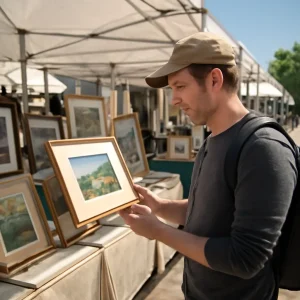
Direct-from-maker shops, community cooperatives, reputable fair-trade retailers, and museum shops with transparent sourcing can provide useful context. A real-world example of this model is a cooperative that sells members’ work while identifying the artisans and explaining how revenue supports production. The specific benefits depend on the organization’s practices, so buyers should review its information rather than assume every cooperative operates identically.
For travelers, purchasing directly from a maker or a trusted local organization can keep the story close to the source. For online purchases, look for named artists, detailed product descriptions, and clear policies. Reviews can help assess service and quality, but they do not independently verify ethical or cultural claims.
Give context without turning the object into a token
A short note can explain who made the gift, what technique or material is involved, and why you selected it. Keep the description grounded in information provided by the maker, and avoid presenting an entire culture as a single aesthetic. This small step helps the recipient appreciate the work while respecting the maker’s own account of its meaning.
Conclusion: Global craftsmanship makes gifts more connected
Meaningful craft gifts bring together provenance, fair compensation, cultural respect, material knowledge, and suitability for the recipient. UNESCO’s estimate that cultural and creative industries represent 3.1% of global GDP and 6.2% of employment underscores the wider economic importance of creative work, even though those figures cover much more than craft purchases. A well-chosen object can support skilled makers and offer a lasting connection to the people and practices behind it.
Before buying, ask who made the object, what it means, and whether it will be valued and cared for. Choose transparent sellers, learn from maker-led descriptions, and share the story accurately. These habits turn gift-giving from souvenir collecting into a more respectful exchange.
Sources: UNESCO, Re|Shaping Policies for Creativity: Addressing Culture as a Global Public Good, 2022, https://unesdoc.unesco.org/ark:/48223/pf0000380474; World Fair Trade Organization, 10 Principles of Fair Trade, https://wfto.com/our-fair-trade-system/our-10-principles-of-fair-trade/; World Fair Trade Organization, WFTO Guarantee System, https://wfto.com/our-fair-trade-system/our-guarantee-system/; UNESCO, Convention for the Safeguarding of the Intangible Cultural Heritage, 2003, https://ich.unesco.org/en/convention; Smithsonian Center for Folklife and Cultural Heritage, About the Center, https://folklife.si.edu/about; Smithsonian National Museum of the American Indian, Education and Public Programs, https://americanindian.si.edu/