Moms often choose personalized, handcrafted pieces because they can reflect a child’s identity, carry family meaning, and offer a sense of care that mass-produced goods may not. A personalized piece is an item tailored with details such as a name, date, color, or message; a handcrafted piece is made or finished through skilled human work rather than produced entirely by an automated, standardized process. These categories can overlap, but neither guarantees superior quality or sustainability. Research on gift-giving, consumer behavior, and craft helps explain the appeal: customization can make an object feel more personally relevant, while visible workmanship can connect it to the maker and the recipient. The sections below explore emotional meaning, practical fit, craftsmanship, and how to shop thoughtfully.
Personalized and handcrafted pieces express identity and connection
There is no single authoritative definition of a “personalized, handcrafted piece.” For this article, it means a product adapted to an individual or family and made, decorated, or assembled with meaningful human input. Personalization may include a child’s name, birth details, favorite colors, or a family-specific design. Handcraft may involve sewing, carving, embroidery, illustration, or small-batch assembly. A product can be personalized but factory-made, or handcrafted without being personalized.
The distinction matters because the appeal is not simply that an item is unusual. It is that its details can communicate a relationship. A monogrammed blanket can mark a child’s place in the family; a hand-painted keepsake can commemorate a birthday or adoption. These objects may become part of a family’s memory-making, although sentimental value varies from person to person and cannot be measured by the price or production method alone.
Personalization makes a gift feel recipient-specific
Personalization is the adaptation of a product or message to a particular recipient. In gifting, names, dates, custom colors, and short inscriptions signal that the giver considered who the recipient is, rather than choosing only from a generic range. Research published in the Journal of Consumer Research by Joann Peck and Suzanne B. Shu found that physical contact with objects can increase feelings of psychological ownership. That finding does not prove that personalized gifts are always preferred, but it helps explain why an object that feels connected to a particular person can seem more personally significant.
For mothers choosing something for a child, this can make the item feel like it belongs to that child’s story. A name on a backpack may also help distinguish it at school or daycare. The useful version of personalization adds meaning or function; excessive customization can become impractical if a child quickly outgrows the design or the item is difficult to pass on.
Handmade details make the maker’s work visible
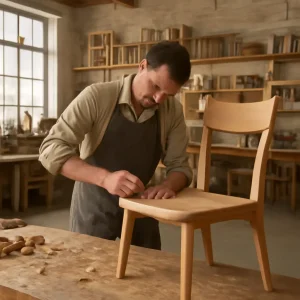
Handcrafted describes goods made with direct human skill, whether one at a time or in a small production run. Stitching, hand lettering, carved details, and individually assembled components can show how an item was made. This visible labor can give buyers a stronger sense of the maker’s attention and technique than a standardized product conveys.
The U.S. Small Business Administration notes that small businesses are an important part of the U.S. economy, while the craft sector spans many kinds of independent makers and businesses. Buying handmade can therefore support a particular artisan or small shop, but consumers should not assume every handmade purchase stays local or provides fair compensation. Checking who made the item, where it was made, and how the seller describes the process provides more reliable context than a “handmade” label alone.
Personalized and handcrafted pieces offer meaningful alternatives to generic finds
Generic store finds are standardized products designed for a broad market. Their advantages are real: they are often readily available, easy to compare, and may cost less. Personalized or handcrafted alternatives appeal when a shopper values individual expression, a particular occasion, or a closer connection to the production process. The choice is not a simple contest between meaningful and meaningless goods; it is a trade-off among fit, price, convenience, quality, and emotional value.
Custom pieces can better match a family’s needs
Customization can address practical preferences such as a child’s favorite colors, a particular room palette, or a requested size. For example, a parent might commission a name banner in colors that coordinate with a nursery or choose a handmade garment with a preferred closure. These options can help a gift feel more relevant, but shoppers should confirm dimensions, materials, personalization spelling, and production timelines before ordering.
The National Retail Federation’s annual consumer surveys regularly document the economic importance of occasions such as Mother’s Day and the varied ways people shop for gifts. Such spending data can show that gift-giving is a significant retail activity, but it does not establish that mothers universally favor handmade or customized products. Preferences differ by household, budget, culture, and the intended use of the item.
Keepsakes can preserve family memories
A keepsake is an object retained because it represents a person, occasion, or shared experience. Personalized blankets, embroidered clothing, growth charts, and engraved ornaments are common examples. A date or name can anchor the object to a specific moment, making it easier for a family to recall the story behind it years later.
This emotional role helps explain why an item’s value may exceed its utility. A mass-produced toy may serve the same immediate purpose as a handmade one, while a custom detail gives the latter a distinct place in a family’s recollection. Still, not every family wants a keepsake, and sentimental objects can add clutter. Choosing a durable, useful item—or a small object with a clear story—can balance meaning with everyday life.
Artisan purchases can create a more direct maker-buyer connection
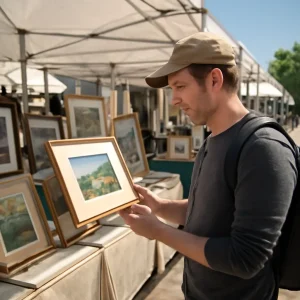
Buying from an independent maker may allow customers to ask about materials, methods, and customization directly. That exchange can make the product’s origin more legible and give the buyer a sense of participating in a small creative business. Online marketplaces and local craft fairs make this connection possible, though a marketplace listing alone does not verify that an item is handmade or ethically produced.
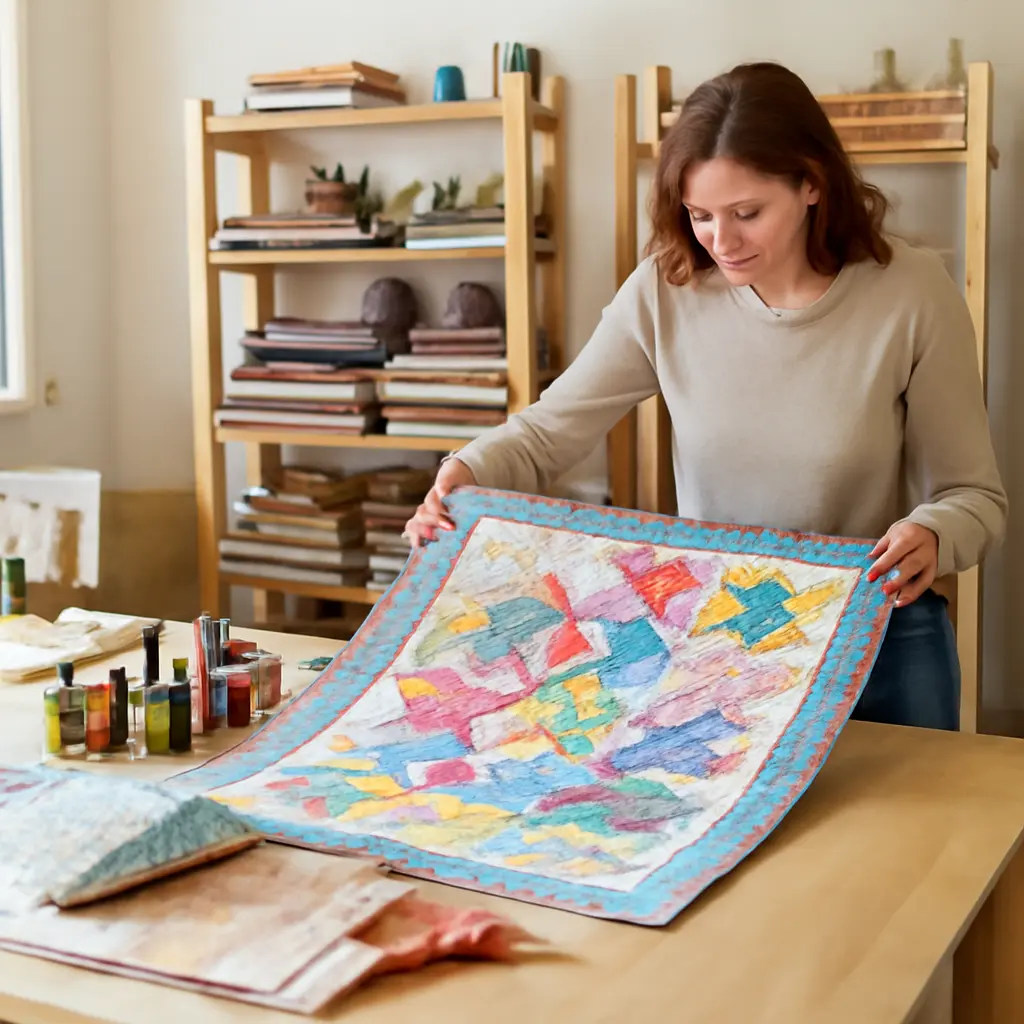
A useful real-world example is a custom quilt made from a child’s outgrown clothing. The maker can turn familiar fabrics into a functional blanket, combining personal history with skilled sewing. Before commissioning such work, families should ask how the maker handles fabric, what construction and care are required, and whether the finished piece is suitable for its intended use.
Thoughtful shopping balances craftsmanship, safety, and value
Meaningful design is only one part of a good purchase. A product for a child should also be safe, age-appropriate, durable enough for its purpose, and priced transparently. Handcrafted status is not a substitute for product testing or clear safety information. For children’s products in the United States, the Consumer Product Safety Commission provides guidance on applicable requirements, including rules that may cover small parts, lead, and other hazards.
Check materials, workmanship, and care instructions
Before buying, examine the construction and ask about materials, finish, cleaning, and intended age range. For textiles, look for secure seams and clear washing guidance. For toys and decorative objects, check for detachable small parts, sharp edges, cords, or finishes that may be unsuitable for young children. The American Academy of Pediatrics advises caregivers to consider a toy’s age recommendation and potential hazards, particularly for infants and toddlers.
These checks are especially important for custom orders because a personalized product may be difficult to return or resell. Confirm the spelling, measurements, color choices, delivery date, and return policy in writing. A seller who explains limitations clearly is often a more dependable choice than one who promises every feature without detail.
Compare cost with longevity and use
Handmade items may cost more because they involve labor, small-scale production, and custom materials. A higher price does not automatically mean higher quality, just as a lower-priced store product is not necessarily disposable. Compare construction, expected frequency of use, repairability, and whether the child is likely to outgrow the item quickly.
The U.S. Environmental Protection Agency describes reuse as one way to reduce waste and conserve resources, but a handmade label alone does not establish a smaller environmental footprint. Material sourcing, packaging, shipping distance, product lifespan, and the likelihood of reuse all matter. A durable personalized item that is treasured and passed along may be a more considered choice than a novelty bought for a single event, while a locally made item is not automatically sustainable without further information.
Conclusion: Personal meaning is the lasting appeal
Moms may prefer personalized, handcrafted pieces because they can express a child’s identity, preserve family memories, and make a maker’s effort visible. Custom details can improve relevance, while skilled workmanship can create a closer connection to how an item was made. Yet generic products remain valuable for affordability and convenience, and handmade goods still require careful checks for safety, quality, and honest sourcing.
The best choice is the one that fits the family’s needs, budget, and values—not simply the one with the most customization. Before purchasing, consider what the item is meant to do, how long it may be used, and whether its materials and maker are clearly described. For further guidance, consult consumer-safety information from the Consumer Product Safety Commission and age-appropriate toy advice from the American Academy of Pediatrics.
Sources: Peck, Joann, and Suzanne B. Shu, “The Effect of Mere Touch on Perceived Ownership,” Journal of Consumer Research, https://academic.oup.com/jcr/article-abstract/36/3/434/1827647; U.S. Small Business Administration, “Frequently Asked Questions About Small Business,” https://www.sba.gov/document/support-frequently-asked-questions-about-small-business; National Retail Federation, “Mother’s Day,” https://nrf.com/topics/holiday-and-seasonal-trends/mothers-day; U.S. Consumer Product Safety Commission, “Children’s Product Safety,” https://www.cpsc.gov/Safety-Education/Safety-Education-Centers/Childrens-Product-Safety; American Academy of Pediatrics, “Toy Safety,” https://www.healthychildren.org/English/safety-prevention/at-home/Pages/Toy-Safety.aspx; U.S. Environmental Protection Agency, “Reducing and Reusing Basics,” https://www.epa.gov/recycle/reducing-and-reusing-basics.