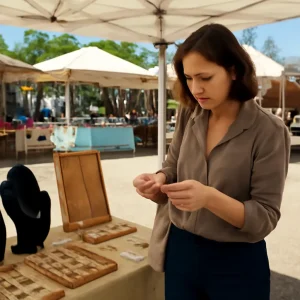
Travel jewelry is jewelry chosen to accompany you on a trip while balancing personal meaning, comfort, versatility, and practical risks. The best pieces are not simply the most valuable or fashionable: they reflect your story and suit your itinerary. A small set of meaningful, mix-and-match items can make packing easier, while advice from travel and security organizations points to sensible precautions: avoid displaying valuables, keep important pieces close, and check airline and destination rules before departure. The sections below explain how to choose jewelry by personal significance, travel function, materials, and risk.
Choosing Travel Jewelry Around Your Personal Story
“Travel jewelry for your own story” is a practical approach to selecting adornments that carry personal significance while working for the realities of a particular journey. There is no single formal industry definition for this phrase. Here, it means choosing pieces that connect with your identity, memories, relationships, or destination without making your trip harder or less secure.
The value of this approach is both emotional and practical. A family heirloom, a locally made pendant, or a ring marking a personal milestone can give an outfit meaning; a limited, coordinated selection can also reduce packing decisions. The U.S. Transportation Security Administration says passengers may wear jewelry through screening, although officers can direct travelers to additional screening. That is a useful reminder that convenience depends on the piece, the screening process, and the traveler’s itinerary—not on a universal guarantee.
Memory and identity pieces
Memory pieces are items tied to a person, place, or event: a pendant inherited from a relative, a charm acquired during an earlier trip, or a bracelet commemorating a life change. Their significance is individual, so the choice should begin with the story the item tells rather than its market price. If losing or damaging a piece would be devastating, consider leaving the original at home and taking a photograph, a less costly substitute, or another object that carries a similar meaning.
Destination-inspired jewelry
Destination-inspired jewelry may reflect a landscape, craft tradition, color palette, or personal experience connected with a place. Buying from a local maker can turn a souvenir into a lasting reminder, but travelers should be attentive to provenance and local laws. The U.S. Fish and Wildlife Service notes that international travel with wildlife and wildlife-derived products can be subject to permits and restrictions under rules such as the Convention on International Trade in Endangered Species (CITES). Avoid items made from protected species or materials whose origin is unclear.
Matching Travel Jewelry to the Trip
Once a piece’s meaning is clear, the next question is whether it suits the journey. A city weekend, beach holiday, work trip, and multi-day hike place different demands on jewelry. Choosing by activity helps turn a personal collection into a functional travel set.
A small, versatile capsule
A travel jewelry capsule is a compact group of pieces that work with several outfits and occasions. For example, a traveler might choose one pair of comfortable earrings, a simple chain, and a watch or bracelet, then add one distinctive piece for evenings. Neutral metals and uncomplicated designs are often easier to coordinate, while fewer items mean fewer opportunities to misplace them. This is a planning strategy, not a rule: the right number depends on trip length, activities, and personal style.
Activity-appropriate choices
Comfort and durability matter more when travel includes swimming, exercise, outdoor activities, or long transit days. Dangling earrings and loose chains may snag; delicate settings may be vulnerable to knocks; and jewelry can be uncomfortable beneath protective equipment. Remove pieces before swimming or strenuous activity when appropriate, and follow care guidance for the specific material. For a beach or outdoor trip, leaving fragile or irreplaceable jewelry at home is often the simplest precaution.
Screening and transit considerations
Airport procedures vary by location and may change. TSA guidance says jewelry can generally be worn through U.S. security screening, but some items or circumstances may prompt additional screening. Travelers should check the relevant airport or security authority before departure, especially when carrying bulky accessories, valuable items, or jewelry that is difficult to remove. Keeping a small pouch accessible can make it easier to store pieces temporarily if an officer requests it.
Selecting Materials and Protecting Meaningful Pieces
A travel piece must suit its wearer and surroundings. Material, construction, and maintenance affect how jewelry handles moisture, friction, storage, and everyday use. Because care requirements differ between alloys, gemstones, plating, and finishes, consult the maker’s instructions rather than assuming that a piece is waterproof or universally durable.
Materials, comfort, and care
Choose materials and designs that feel comfortable over a full day and are appropriate for the planned activities. Lightweight pieces can be easier to wear during transit; secure clasps and smooth edges can reduce snagging. Exposure to water, sunscreen, sweat, perfume, and cleaning products may affect some finishes or stones. The Gemological Institute of America provides gemstone-specific care guidance, underscoring that cleaning and durability are not identical across materials.
Packing and keeping track
A travel jewelry case or soft pouch helps separate items and limit tangling, while a simple inventory or photograph can help you remember what you packed. Store jewelry securely rather than leaving it loose in a suitcase or unattended in a room. The U.S. Department of State advises travelers to take precautions against theft, including keeping valuables secure and being alert in public. For especially important pieces, consider whether the insurance policy covers travel, loss, and the item’s documented value; policy terms vary, so verify coverage with the insurer.
Balancing Self-Expression with Travel Safety
The point is not to hide personal style, but to make deliberate choices about when and where to wear particular pieces. Publicly displaying expensive jewelry may attract unwanted attention in some settings, while a low-profile alternative can preserve the look or symbolism without the same exposure. Local conditions differ, so review destination-specific guidance and use situational judgment rather than relying on a universal safety rule.
A risk-based decision
Before packing, classify each item by meaning, replacement difficulty, and suitability for the itinerary. An inexpensive everyday necklace may be a good companion; an irreplaceable heirloom may be better kept safe at home. For a valuable item that must travel, document it, review insurance terms, and plan secure storage. These steps cannot eliminate risk, but they make the decision more intentional.
- Wear pieces that are comfortable and appropriate for the day’s activities.
- Keep high-value or irreplaceable jewelry discreet and securely stored.
- Check destination rules before buying or transporting jewelry made from animal-derived or culturally regulated materials.
- Use a small, organized case and keep an inventory of important items.
Conclusion: Let Your Jewelry Tell the Story, Not Complicate the Trip
Choosing travel jewelry for your own story means bringing together personal meaning, practical design, suitable materials, and sensible security. Memory and destination pieces offer emotional connection; a versatile capsule supports easy packing; and thoughtful care and risk decisions help protect what matters. Choose a few items that feel like you, check the rules and care needs that apply to your trip, and leave anything too precious or impractical safely at home.
Sources: Transportation Security Administration, Traveling with Jewelry, https://www.tsa.gov/travel/security-screening/whatcanibring/items/jewelry; U.S. Fish and Wildlife Service, International Affairs: CITES and Permits, https://www.fws.gov/program/international-affairs/cites; Gemological Institute of America, Gem and Jewelry Care, https://www.gia.edu/gem-care-cleaning; U.S. Department of State, Travel Advisories, https://travel.state.gov/content/travel/en/traveladvisories/traveladvisories.html.