Beaded jewelry can be well-made, distinctive, and affordable when you focus on materials, construction, and transparent pricing rather than a luxury label. Quality means more than sparkling beads: it includes secure knots or crimps, durable stringing material, comfortable findings, and a design suited to everyday wear. This guide explains how to judge those features, where to find budget-friendly options, what prices can—and cannot—tell you, and how to care for a piece so it lasts.
Quality beaded jewelry balances materials, construction, and price
There is no single official standard that defines “quality” across all beaded jewelry. For shoppers, a useful definition is a piece whose materials and workmanship are appropriate to its price and intended use. That means beads should be consistently finished, the stringing should suit their weight and shape, and closures and connectors should feel secure.
The U.S. Bureau of Labor Statistics tracks spending on jewelry and watches in its Consumer Expenditure Survey, but it does not set a recommended price for an individual necklace or bracelet. Prices vary widely with materials, labor, seller fees, and design. A practical budget is therefore a personal ceiling—not a guarantee of quality. Compare similar pieces and inspect the details before paying more for a brand name.
The main categories include glass-bead jewelry, natural-stone designs, seed-bead work, and pieces made with metal or ceramic beads. Each has different strengths: glass offers broad color and shape choices, stone can bring natural variation, and seed-bead techniques allow intricate patterns. The best value depends on what the piece is made for and how it is assembled.
Materials: understand what the beads and findings are made of
Materials are the substances used for the beads, stringing, and hardware. Listings should distinguish, for example, glass from plastic, plated metal from solid precious metal, and natural stone from imitation stone. Natural materials can vary in color and pattern; that variation is not automatically a flaw, but it should be disclosed when relevant.
Check the findings—the clasp, jump rings, and other metal components—as carefully as the beads. If you have a metal sensitivity, ask the seller what the components contain; terms such as “silver-tone” describe appearance, not necessarily metal content. The Federal Trade Commission’s Jewelry Guides explain how jewelry marketing claims should be represented, including claims about precious metals and gemstones. Clear descriptions help you compare like with like.
Construction: look for secure stringing and clean finishing
Construction is how the parts are joined and finished. On a necklace, examine the areas around the clasp for loose knots, exposed sharp wire ends, or gaps that could catch on clothing. On a bracelet, gently flex the piece and check whether beads move in a way that seems consistent with its design. For knotted strands, knots between beads can reduce bead-on-bead rubbing; for wire-strung pieces, properly finished crimps help keep the strand secure.
No visual check can guarantee a piece will never break, but a seller who can explain the stringing method and offer repair guidance is providing useful evidence of care. Ask about repairs or replacement policies before buying, especially for a piece you plan to wear often.
Fit and finish: assess comfort as well as appearance
Fit and finish describe how a piece sits on the body and whether its surfaces and edges are comfortable. Check necklace length, bracelet circumference, clasp size, and the weight of larger beads. Beads should not have unexpectedly sharp edges, and the closure should be manageable for the person who will wear it.
Product photos can hide scale, so use listed dimensions and look for images showing the item being worn or placed beside a familiar object. Reviews can offer clues about sizing, color, and wear, but treat them as individual experiences rather than laboratory-tested durability data.
Affordable beaded pieces come in several styles and shopping routes
Once you know how to assess quality, you can choose a style that fits both your budget and your intended use. A simple glass-bead strand, a small seed-bead accessory, or a carefully selected secondhand piece may offer better value than a heavily embellished item with unclear materials. Handmade is not automatically durable, and inexpensive is not automatically poorly made; judge the actual piece.
Glass and seed-bead designs: color and detail at accessible price points
Glass-bead jewelry uses molded, pressed, or otherwise formed glass beads, while seed-bead work uses small beads woven, stitched, or strung into patterns. These categories can deliver vivid color and detailed designs without requiring precious-stone materials. Inspect for consistent holes and smooth surfaces, and check whether a woven piece has a secure, even edge.
For frequent wear, consider whether the design can tolerate contact with water, sweat, cosmetics, or friction. Care instructions matter: a bead may be durable while its thread, coating, or metal finish is more vulnerable.
Natural-stone beads: variation is part of the appeal
Natural-stone bead jewelry uses beads cut from mineral or rock materials. Differences in veining, tone, and inclusions may be natural, while uniform color or a very low price can sometimes indicate dyeing, treatment, or imitation material. Ask the seller to identify treatments where known, and avoid assuming that a stone’s trade name proves its origin or value.
A practical budget option is a smaller accent of natural stone paired with less costly beads, rather than a full strand of expensive material. That keeps the visual character of stone in the design while limiting the cost.
Secondhand and independent sellers: compare condition and disclosure
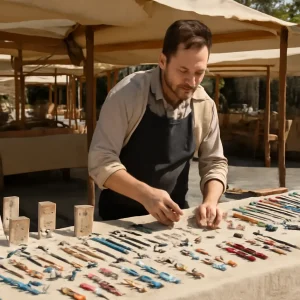
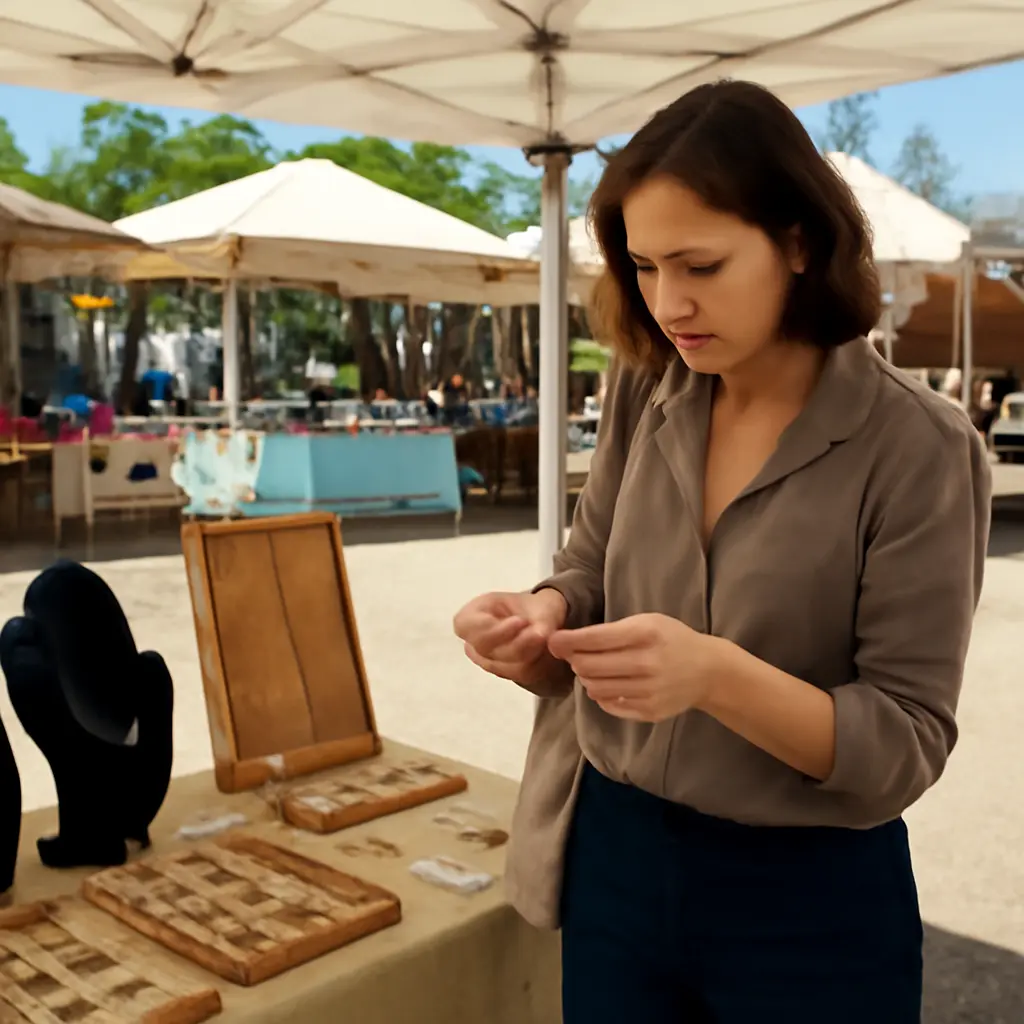
Secondhand shops, craft markets, and independent online sellers can provide distinctive pieces, but buying from them calls for careful questions. Request measurements, close-up photos of the clasp and bead holes, and details about repairs or missing components. For secondhand jewelry, examine the finish for wear and check that the stringing is not frayed or brittle.
For handmade work, a clear listing should explain materials, dimensions, care, and whether each piece is made individually. The U.S. Federal Trade Commission advises consumers to understand product claims and seller terms; review return and shipping policies before checkout. A low price is useful only if the item matches its description and arrives in wearable condition.
Smart buying protects your budget without sacrificing wearability
A good-value purchase is one that meets your needs at a price you can comfortably afford. Set a maximum before browsing, compare pieces with similar materials and construction, and include shipping, taxes, and potential repair costs in the total. If a listing makes a high-value claim—such as a precious-metal content or a specific gemstone identity—look for precise, verifiable wording rather than relying on vague descriptions.
A quick inspection checklist
- Confirm bead, stringing, and metal-component materials from the description or seller.
- Check dimensions, weight, and closure type against how you plan to wear the piece.
- Inspect close-up images for chipped beads, rough edges, loose knots, and unfinished wire.
- Read return, repair, and care policies before purchasing.
- Compare the total cost of similar items, not just the listed price.
Care extends the useful life of a beaded piece
Care means reducing exposure to conditions that can damage beads, thread, coatings, or metal findings. Unless the maker specifically says otherwise, take jewelry off before swimming, showering, exercising, or applying perfume and lotion. Store pieces separately to reduce tangling and abrasion, and wipe them gently with a soft, dry cloth after wear.
The Gemological Institute of America recommends care tailored to a gem’s properties, because cleaning methods safe for one material may harm another. When the material is uncertain, avoid chemical cleaners and ultrasonic devices; ask the maker or a qualified jeweler for advice. Periodically check clasps and stringing, and stop wearing a piece if you notice a loose closure or fraying thread.
Conclusion: choose transparent materials and sound workmanship
Quality beaded jewelry does not have to cost a fortune. The strongest value comes from understanding materials, inspecting construction and fit, comparing sellers transparently, and caring for the piece appropriately. Glass, seed-bead, natural-stone, secondhand, and handmade designs can all be worthwhile when their descriptions are clear and their workmanship suits the intended wear.
Before buying, use the checklist, ask questions when material or construction details are missing, and set a budget that includes the full purchase cost. For further guidance, consult consumer jewelry-claim advice from the Federal Trade Commission and material-specific care guidance from the Gemological Institute of America.
Sources: U.S. Bureau of Labor Statistics, Consumer Expenditure Surveys, https://www.bls.gov/cex/; Federal Trade Commission, Guides for the Jewelry, Precious Metals, and Pewter Industries, https://www.ftc.gov/legal-library/browse/rules/guides-jewelry-precious-metals-pewter-industries; Federal Trade Commission, Shopping Online, https://consumer.ftc.gov/articles/shopping-online; Gemological Institute of America, Gem and Jewelry Care, https://www.gia.edu/gem-jewelry-care