Artisan makers create heirloom pieces by combining skilled handwork, thoughtful material choices, and designs intended to remain useful and meaningful across generations. An heirloom is not simply an old object: it is an item valued for its quality, history, and capacity to be cared for and passed on. The strongest heirloom-making practices—from furniture joinery and jewelry craftsmanship to textile conservation and repair—are grounded in durable construction and continuing use. That matters in a world of short-lived goods: the U.S. Environmental Protection Agency estimates that Americans generated 12.1 million tons of furniture and furnishings in municipal solid waste in 2018, with most landfilled or combusted. Buying less, choosing well-made goods, and maintaining them can help extend an object’s life, though no single purchase alone solves the waste problem.
Artisan Craftsmanship Defines Heirloom-Making
Artisan craftsmanship is skilled, deliberate making in which a maker applies specialized knowledge to materials and processes, often producing work in small batches or as individual commissions. The Smithsonian Center for Folklife and Cultural Heritage describes craft traditions as forms of cultural knowledge sustained through practice and transmission. Applied to heirloom pieces, this means value comes not only from appearance, but also from sound construction, repairability, provenance, and the meaning attached to an object over time.
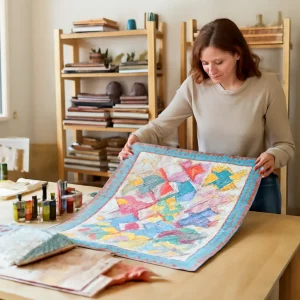
Relevant forms include handmade furniture, fine and studio jewelry, ceramics, woven textiles, leather goods, and tools. Each has different standards of durability: a chair depends on stable joints and replaceable parts; a ring depends on appropriate alloy, secure settings, and maintenance; a quilt depends on fabric quality, stitching, and careful storage. “Handmade” by itself does not guarantee longevity. Material suitability, workmanship, intended use, and future care all matter.
Materials and Construction
Materials are the substances from which an object is made, while construction describes how its parts are joined, finished, or assembled. Durable artisan work matches both to the intended use. For example, a furniture maker may select stable, properly dried wood and use joints that can be repaired rather than relying on inaccessible fasteners or fragile composite parts. A ceramicist may design a vessel with a form and glaze suited to its intended function, while a jeweler considers metal properties and the security of settings.
The U.S. Forest Products Laboratory’s wood handbook documents how moisture, species, and environmental conditions affect wood performance. The practical lesson is that material choice must account for the object’s surroundings, not just its initial appearance. Ask makers what materials they use, why they selected them, and which components can be repaired or replaced.
Design for Repair and Long Use
Repairable design allows an object to be maintained without destroying its essential structure or character. Replaceable chair seats, accessible screws, renewable finishes, and settings that a jeweler can service are examples. A maker who supplies care instructions, offers repairs, or explains how an item can be restored is providing practical support for longevity.
The Ellen MacArthur Foundation’s circular-economy guidance emphasizes designing products to remain in use through maintenance, reuse, and repair. For buyers, this offers a useful way to assess heirloom potential: consider whether the piece is made for its actual purpose, whether wear can be addressed, and whether future owners can learn how to care for it.
Heirloom Value Combines Durability, Meaning, and Provenance
Heirloom value is the combination of an object’s continued usefulness, physical condition, cultural or personal significance, and documented history. There is no universal technical test that makes a piece an heirloom. The designation is often earned over time, as owners use, maintain, and associate memories with it. Craft quality can create the conditions for that future, but emotional and cultural value are built through relationships and use.
This distinction connects the maker’s work to the owner’s responsibility. A well-made object can still be damaged by unsuitable storage, neglect, or use beyond its design limits. Conversely, a modest object may become deeply significant when it carries family history or marks an important event. Heirloom-making therefore spans both the creation of a durable piece and the practices that preserve its story.
Provenance and the Story of the Object
Provenance is the recorded history of an object’s creation, ownership, and custody. For a contemporary craft piece, a maker’s name, date, materials, process, and purchase documentation can help later owners understand what they have and how to care for it. A short written note can be as useful as a formal certificate, especially when it records repair history or the meaning of a commission.
The Smithsonian’s museum-conservation resources show why object history and material identification matter to preservation decisions. Owners can keep receipts, maker cards, photographs, and repair records together in a dry, accessible place. For textiles and paper records, avoid storing them in damp areas or direct sunlight; for valuable or fragile pieces, seek advice from a qualified conservator.
Cultural Continuity and Skill Transmission
Craft traditions preserve knowledge through teaching, apprenticeship, community practice, and repeated making. The Smithsonian Center for Folklife and Cultural Heritage documents how traditional arts carry skills and cultural knowledge between generations. An artisan’s work can therefore be heirloom-worthy not only as a physical possession, but also as evidence of a living practice—such as a regional weaving method, a distinctive woodworking tradition, or a family jewelry technique.
Supporting makers who explain their processes and cultural context helps buyers recognize the labor and knowledge behind an object. It is also important to respect attribution and cultural rights: buyers should ask where a design or technique comes from and avoid treating culturally specific work as anonymous decoration.
Artisan Heirlooms Take Different Forms
The term “heirloom piece” includes several related categories rather than one product type. Furniture, jewelry, ceramics, textiles, and functional tools each have distinct material needs, use patterns, and care requirements. Comparing them by purpose and repair pathway is more useful than assuming that age, price, or a handmade label alone predicts lasting value.
Furniture and Woodwork
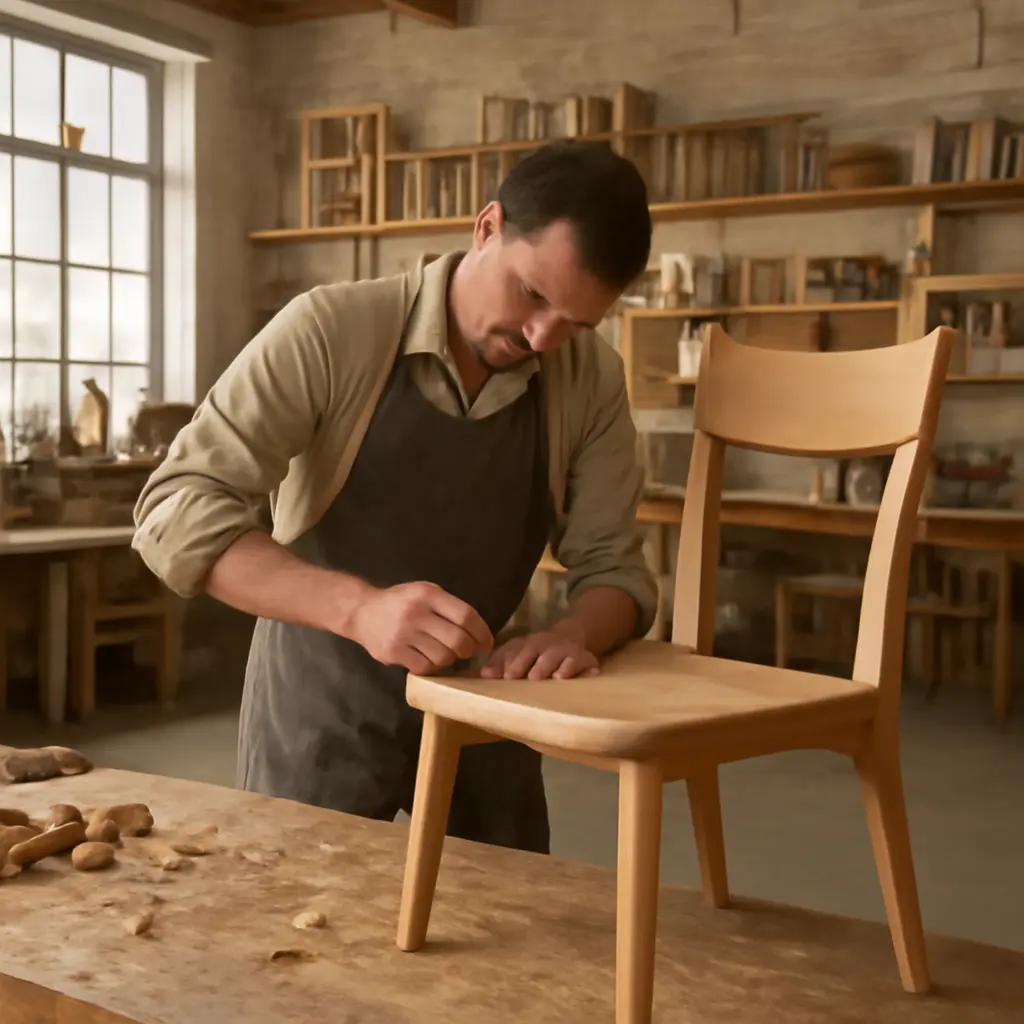
Heirloom furniture is made for repeated use and long-term maintenance. Traditional joinery, sound wood selection, replaceable components, and finishes that can be renewed support longevity. A real-world example is a dining table designed to be refinished as its surface wears, rather than discarded when the finish becomes scratched. Ask about wood species, construction, finish care, and whether the maker provides repairs or replacement parts.
Jewelry and Precious Objects
Artisan jewelry can become an heirloom through material durability, secure construction, and personal significance. Precious metals may often be resized or repaired by a skilled jeweler, while gemstones require settings suited to their hardness and everyday exposure. The Gemological Institute of America explains that gemstones vary in hardness, toughness, and stability; these properties affect how a stone should be worn and cared for. Request clear details about metal content, stones, maintenance, and future resizing or repair.
Ceramics and Textiles
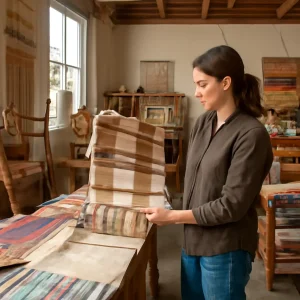
Ceramics and textiles can carry both everyday and ceremonial value, but their preservation needs differ. Functional pottery should be used according to the maker’s guidance about food safety, temperature changes, and cleaning. Textiles are vulnerable to light, pests, dirt, and stress at folds or seams. The Canadian Conservation Institute advises that light exposure can cause irreversible fading and deterioration in many collections materials. Rotate displayed textiles, limit direct sunlight, and store delicate fabrics clean and supported.
Choosing and Caring for Pieces Meant to Be Passed Down
A considered purchase begins with questions about use, materials, workmanship, and service. Rather than treating heirloom status as a marketing promise, buyers can evaluate whether the object is appropriate for its intended role and whether its maker offers enough information for responsible ownership.
- Ask who made the piece, where it was made, and which materials and techniques were used.
- Check how it is constructed and whether common wear points can be repaired.
- Request written care guidance, including limits on heat, moisture, sunlight, or daily wear.
- Keep documentation, photographs, receipts, and records of repairs with the object’s history.
- Choose a piece that fits your household’s real needs, since regular, appropriate use can give an object meaning.
Care should be specific to the material. Wood may need protection from rapid changes in humidity; metals and gemstones may require periodic professional inspection; ceramics should be handled with attention to chips and thermal shock; textiles benefit from clean, dry storage and reduced light. When an object is valuable, fragile, or culturally significant, consult a conservator or qualified specialist rather than experimenting with aggressive cleaning methods.
Conclusion: Making Heirlooms Is a Shared Practice
Artisan craftsmanship gives heirloom pieces their foundation through considered materials, skilled construction, and repairable design. Provenance and cultural continuity add context, while careful use and maintenance help keep objects in service. Furniture, jewelry, ceramics, and textiles each require different approaches, but all benefit when makers explain their process and owners preserve both the item and its story.
To support work worth passing down, buy thoughtfully, ask makers about repair and care, and keep the records that connect an object to its maker and owners. Further reading from the Smithsonian Center for Folklife and Cultural Heritage, the U.S. Forest Products Laboratory, and the Canadian Conservation Institute can help deepen understanding of craft traditions, materials, and preservation.
Sources: U.S. Environmental Protection Agency, Advancing Sustainable Materials Management: 2018 Fact Sheet, https://www.epa.gov/sites/default/files/2021-01/documents/2018_ff_fact_sheet_dec_2020_fnl_508.pdf; Smithsonian Center for Folklife and Cultural Heritage, The Smithsonian Folklife and Oral History Interviewing Guide, https://folklife.si.edu/the-smithsonian-folklife-and-oral-history-interviewing-guide/smithsonian; U.S. Forest Products Laboratory, Wood Handbook: Wood as an Engineering Material, https://www.fpl.fs.usda.gov/documnts/fplgtr/fpl_gtr282.pdf; Ellen MacArthur Foundation, Circular Design Guide, https://www.circulardesignguide.com/; Smithsonian Museum Conservation Institute, Caring for Your Treasures, https://mci.si.edu/caring-your-treasures; Gemological Institute of America, Gem Encyclopedia, https://www.gia.edu/gem-encyclopedia; Canadian Conservation Institute, Agent of Deterioration: Light, Ultraviolet and Infrared, https://www.canada.ca/en/conservation-institute/services/agents-deterioration/light.html