A gift from an independent maker is a product created and sold by a self-directed artist, craftsperson, or small creative business rather than mass-produced for a large retail chain. Choosing one can give a recipient something distinctive while directing spending toward small businesses and local creative economies. The U.S. Small Business Administration reports that small businesses account for 99.9% of U.S. businesses, while Etsy’s 2024 annual report describes a marketplace connecting millions of buyers with independent sellers. Thoughtful maker gifts are not automatically more ethical or durable, but checking materials, production details, and seller practices can make the choice more meaningful. This guide explains what independent-maker gifts are, how to evaluate their value, where to find them, and how to choose and present one well.
Independent maker gifts support small businesses and creative work
An independent maker is a person or small creative enterprise that designs, produces, or meaningfully alters goods and sells them under its own direction. The term can include potters, jewelers, illustrators, woodworkers, textile artists, food producers, and other craftspeople. It is a broad description, not a certification: sellers differ in scale, labor practices, sourcing, and how much of a product they make themselves.
The U.S. Small Business Administration defines a small business according to industry-specific standards that can account for annual receipts or employee numbers. Its Office of Advocacy reports that small businesses make up 99.9% of U.S. businesses. That figure is a useful measure of the sector’s scale, but it does not mean every small business is a maker, nor that every maker operates as a formally defined small business.
The relevance of maker gifting is practical as well as sentimental. A purchase can provide income directly to a small seller, preserve demand for specialized skills, and offer the recipient an item selected for their tastes rather than for mass appeal. Etsy’s 2024 annual report, for example, describes a marketplace with 5.6 million active sellers and 89.6 million active buyers across its platforms at year-end. Those figures illustrate the reach of online craft commerce, although marketplace activity should not be confused with a count of all independent makers.
Meaningful value connects maker gifts with craft, utility, and personal relevance
A meaningful maker gift combines a clear connection to the recipient with credible information about its origin and a reasonable expectation that it will be useful, enjoyable, or lasting. Meaning is personal rather than a formal industry standard. The gift may matter because it reflects a shared memory, supports a local workshop, celebrates a craft tradition, or fulfills a practical need.
The strongest choices usually balance three factors: recipient fit, maker transparency, and suitability for the occasion. A handmade object is not inherently sustainable or superior simply because it is handmade. Buyers should look for concrete details—such as materials, dimensions, care instructions, production methods, and dispatch times—rather than relying on broad claims like “eco-friendly” or “artisan.”
Handcrafted and made-to-order gifts
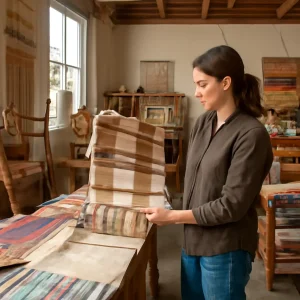
Handcrafted gifts are made substantially through a craftsperson’s skill, while made-to-order goods are produced or customized after a buyer places an order. These categories overlap but are not identical: a handmade item may be ready to ship, and a made-to-order product may use standardized components. Ceramics, knitwear, leather goods, and carved objects are common examples.
Buyers should check whether small variations are part of the process, how long production takes, and whether personalization affects returns. The Federal Trade Commission’s Mail, Internet, or Telephone Order Merchandise Rule generally requires sellers to ship within the promised timeframe—or, if no time is stated, within 30 days—and to obtain consent to a delay or provide a refund. This is especially relevant for gifts with firm delivery dates.
Personalized and commissioned gifts
A personalized gift includes a requested name, date, color, or other individual detail. A commission is a more collaborative, custom project in which the buyer and maker agree on a design, scope, price, and schedule. These gifts can create a close connection between the recipient and the object, but they require clear communication before work begins.
For a commission, confirm the total cost, deposit and payment schedule, revision limits, materials, delivery date, and what happens if the finished item differs from the approved plan. Share only the personal information needed to complete the work. A short written agreement or clear message thread can prevent misunderstandings and give both parties a record of the arrangement.
Locally made and culturally rooted goods
Locally made gifts are produced near the buyer or recipient, while culturally rooted goods draw on a particular community’s techniques, materials, or design traditions. Local purchases may make it easier to meet the maker, collect an item in person, or learn how it was made. Cultural connection can add context, but buyers should distinguish respectful, accurately described work from unsupported claims of heritage or origin.
Ask who made the item, where production takes place, and whether the seller explains the tradition or materials accurately. When buying work connected to a specific cultural community, seek makers who identify their own relationship to that tradition and describe their practice in their own words.
Choosing an independent maker gift starts with the recipient
A well-chosen gift reflects the person who will receive it, not only the appeal of the story behind it. Before browsing, consider the recipient’s habits, space, accessibility needs, preferred colors, and willingness to care for a particular material. A beautiful object that does not fit their lifestyle may go unused.
Match the item to interests and everyday use
Start with a category the recipient already enjoys: a hand-thrown mug for a tea drinker, a small print for someone who likes changing wall art, or a useful textile for a cook. For a person who prefers experiences or has limited space, consider a class, workshop, or digital illustration instead of a physical object. The best gift can be modest; relevance matters more than price or size.
Check materials, care, and product details
A reliable listing should identify the item’s size, materials, construction, care needs, and any relevant safety information. For food, cosmetics, candles, or children’s products, check ingredients, intended use, warnings, and applicable labeling. If a product’s material or origin matters to your choice, ask the maker directly rather than inferring it from photographs or vague marketing language.
Think about durability in relation to use. A delicate ornament can be appropriate if the recipient enjoys display objects; a frequently used kitchen tool may need to withstand washing and regular handling. Materials alone do not prove environmental benefit. The U.S. Environmental Protection Agency’s guidance on sustainable materials management emphasizes considering how materials are produced, used, and managed at end of life—not just the label attached to a product.
Verify seller practices and delivery expectations
Review the maker’s profile, product descriptions, customer-service terms, and recent customer feedback. Look for consistent information about who produces the item and whether it is handmade, assembled, designed by the seller, or sourced from elsewhere. On a marketplace, also check the platform’s current policies, since protections and dispute processes vary.
For time-sensitive gifts, confirm the estimated production and shipping window before buying. Ask whether the item is ready to ship, whether tracking is included, and what options exist if a parcel is delayed. International orders may involve customs charges or longer transit times. Ordering early gives a small workshop more room to complete work without pressure and reduces the risk of a late arrival.
Finding independent makers across shops, markets, and online platforms
Independent makers sell through a range of channels, and each offers a different way to assess the work. A marketplace can provide broad selection and searchable categories; a studio shop may offer direct communication and detailed process information; a craft fair lets buyers inspect objects in person. Comparing channels helps buyers find the right balance of convenience, price, and confidence.
Online marketplaces and maker-owned websites
Online marketplaces make it easier to discover makers beyond one’s immediate area. Etsy’s annual reporting provides one example of the scale of this model: the company reported 5.6 million active sellers and 89.6 million active buyers across its marketplaces at the end of 2024. The figures are platform-specific and do not independently verify the production methods of every listing.
A maker-owned website can provide more direct information about a business’s materials, process, and policies. Search by craft, location, or product type, then compare the item’s description with the maker’s broader portfolio. If a listing seems unclear, ask a concise question before purchasing.
Craft fairs, studios, and local shops
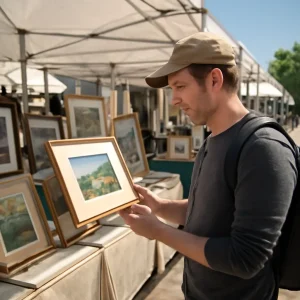
Craft fairs and open-studio events allow buyers to see scale, texture, and finish firsthand and to speak directly with the person who made the work. Local galleries and independent shops can also introduce buyers to regional makers, though the seller may be a retailer rather than the maker. Ask whether the shop can identify the artist and explain how the item was produced.
These settings can turn a purchase into a direct conversation about technique and care. They also make it easier to compare similar objects without relying only on photographs. If the maker is present, a simple question such as “What should I know about using or caring for this?” can reveal useful details.
Examples of maker gifts by recipient and occasion
For a housewarming, consider a locally made serving bowl, a small print, or a practical textile, after checking the recipient’s space and style. For a birthday, a commissioned portrait or personalized accessory may suit someone who values custom work. For a thank-you, a small batch of locally produced food can be appropriate if dietary needs and labeling are clear. For a child, prioritize age-appropriate design, safe construction, and relevant product information over decorative appeal alone.
These examples are starting points rather than rules. A useful approach is to pair one known preference with one practical constraint: favorite colors plus available wall space, interest in coffee plus dishwasher-safe care, or appreciation of local art plus a modest budget.
Fair pricing and thoughtful presentation strengthen the gift
The price of a handmade item may reflect design time, materials, skilled labor, studio overhead, packaging, and the scale at which the maker can produce. It is not always comparable to a factory-made item produced in large quantities. Instead of assuming a high price guarantees quality—or treating a low price as a bargain—compare the item’s materials, workmanship, specifications, and the maker’s stated process.
Set a budget that includes shipping, taxes, and any personalization charges. If a piece is beyond the budget, consider a smaller work by the same maker, a print, a gift card, or a workshop. Avoid asking for extensive custom labor without compensation; a clear, respectful inquiry helps makers decide whether the project fits their schedule and pricing.
Presentation can add meaning without creating unnecessary waste. Reuse a clean box or fabric wrap, include a brief note naming the maker and explaining why you chose the piece, and pass along care instructions. If the gift is made to order, tell the recipient what to expect and when it will arrive rather than allowing a delayed delivery to come as a surprise.
Conclusion: independent maker gifts combine personal meaning with informed support
Independent maker gifts can connect recipient fit, craft, and small-business support in one purchase. The most meaningful choices are not simply labeled handmade: they are selected with care, described transparently, priced with respect for skilled labor, and suited to the person receiving them. Understanding the differences among handcrafted, personalized, locally made, and culturally rooted goods helps buyers choose with greater confidence.
Before buying, check the maker’s process, product details, care requirements, and delivery terms. Explore local shops and markets as well as online sources, and consider a class or gift card when an object is not the right fit. A thoughtful purchase can support independent creative work while giving someone something useful, distinctive, and chosen specifically for them.
Sources: U.S. Small Business Administration, Office of Advocacy, Frequently Asked Questions About Small Business, https://advocacy.sba.gov/2024/11/26/frequently-asked-questions-about-small-business-2024/; Etsy, Inc., 2024 Annual Report, https://investors.etsy.com/financials/sec-filings/default.aspx; Federal Trade Commission, Mail, Internet, or Telephone Order Merchandise Rule, https://www.ftc.gov/legal-library/browse/rules/mail-internet-or-telephone-order-merchandise-rule; U.S. Environmental Protection Agency, Sustainable Materials Management: The Basics, https://www.epa.gov/smm/sustainable-materials-management-basics.